

The Benefits of Contract Farming: How It Works and Why It Matters?
Contract farming is revolutionizing the agricultural industry by creating direct partnerships between farmers and buyers. This innovative model bridges the gap between producers and consumers, ensuring mutually beneficial agreements that enhance agricultural practices, provide financial stability, and foster collaboration. But what exactly is contract farming, and how does it work? In this article, we will explore the ins and outs of contract farming, its advantages for farmers and buyers, and its broader impact on the agricultural landscape.
📊 Contract Farming: Investment & Profit Insights
💰 Investment Overview
-
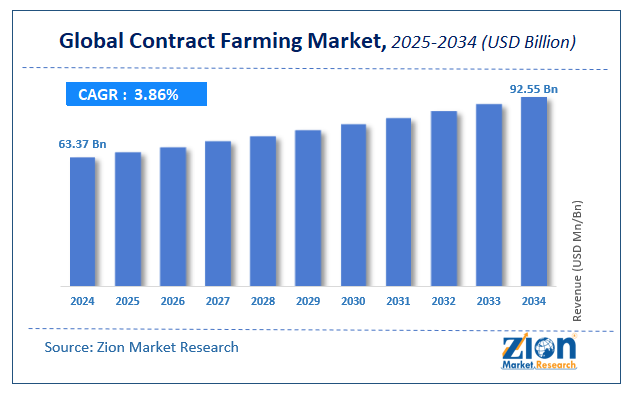
Global Market Size: The contract farming market was valued at USD 60.36 billion in 2024 and is projected to reach USD 85.55 billion by 2034, growing at a 3.6% CAGR insightaceanalytic.com.
-
Farmland Returns: In the U.S., farmland has historically offered average returns of 12.75% over the past 20 years, driven by land appreciation and capitalization rates acretrader.com.
-
Farmer Returns: In the UK, contractors saw a £120/ha increase in total returns from 2021 to 2022, highlighting the profitability of contract farming ceresrural.wpenginepowered.com.
📈 Profit Dynamics
-
Farmer Profitability: In India, contract farmers have reported 11% higher revenue and 13% lower per-hectare production costs compared to non-contract farms KhetiBuddy.
-
Income Stability: Contract farming provides farmers with access to inputs, credit, technical advice, and market opportunities, potentially improving their income and product quality
What is Contract Farming?
Contract farming is an agricultural production system based on a formal agreement between farmers and buyers, where specific terms and conditions are laid out for the production and marketing of agricultural products. These contracts often specify quality requirements, pricing, delivery timelines, and other crucial aspects that govern the relationship between both parties.
At its core, contract farming facilitates direct partnerships that streamline the agricultural supply chain. It replaces the traditional model of selling through intermediaries, allowing farmers to engage directly with buyers, whether they are food processing companies, retailers, or exporters. This direct engagement leads to a more transparent and efficient agricultural market, with clearly defined roles and responsibilities.
Typical contracts in this model include:
- Quality Specifications: Detailed guidelines on the quality, size, and variety of produce expected from the farmers. This ensures that the end product meets consumer standards.
- Pricing Agreements: Pre-determined prices for the produce, protecting farmers from market volatility and giving them a clear understanding of their potential earnings.
- Delivery Timelines: Scheduled delivery dates and quantities, allowing for efficient planning and logistics.
Through these agreements, contract farming fosters trust and collaboration between farmers and buyers. This synergy is paving the way for more stable agricultural practices, enhancing productivity, and ensuring the sustainability of farming communities.
Advantages for Farmers
Contract farming offers numerous benefits to farmers, making it an attractive option for many in the agricultural sector:
1. Guaranteed Market Access
One of the most significant advantages of contract farming is guaranteed market access. Farmers often face uncertainty about whether they will be able to sell their produce at fair prices. Contract farming alleviates this concern by providing a reliable outlet for their produce. This assurance reduces the risk of market fluctuations and enables farmers to plan their production strategies confidently.
2. Financial Security
Contract farming provides financial stability by offering upfront payments or fixed pricing models. This financial arrangement shields farmers from price fluctuations in the market, ensuring a steady income stream. With guaranteed returns, farmers can invest in better farming practices, purchase quality seeds, and employ modern agricultural techniques without fear of financial loss.
3. Access to Resources
Under contract farming, buyers often supply farmers with essential resources, such as seeds, fertilizers, pesticides, and technical support. This access empowers farmers to improve productivity and yield quality. By providing these inputs, buyers ensure that farmers have the tools needed to meet quality specifications, ultimately enhancing the overall output and profitability.
Benefits for Buyers
Contract farming also offers several advantages for buyers, making it a preferred model for many agricultural enterprises:
1. Consistent Supply
For buyers, a consistent and predictable supply of high-quality produce is paramount. Contract farming ensures this by aligning production schedules with market demand. This steady supply chain allows buyers to maintain their inventory levels and meet consumer expectations consistently, without worrying about disruptions.
2. Cost-Effectiveness
By working directly with farmers, buyers can bypass middlemen, resulting in significant cost savings. This direct relationship reduces the need for intermediaries and lowers transaction costs. Additionally, buyers can negotiate better pricing terms with farmers, leading to increased profitability and a competitive edge in the market.
3. Quality Assurance
Contract farming provides buyers with the ability to enforce strict quality standards and certifications. By specifying the desired quality parameters in the contract, buyers ensure that the produce they receive meets their brand’s integrity and customer satisfaction levels. This focus on quality assurance contributes to building a strong reputation and loyal customer base.

Impact on the Agriculture Industry
The adoption of contract farming has a profound impact on the agriculture industry, influencing various aspects of production, distribution, and sustainability:
1. Enhanced Efficiency
Contract farming streamlines the agricultural supply chain, reducing wastage and improving efficiency. With clearly defined contracts, both farmers and buyers can plan their operations more effectively, leading to optimized resource utilization and reduced losses during transportation and storage.
2. Economic Growth
By fostering direct partnerships, contract farming stimulates economic growth in rural areas. It creates job opportunities, promotes agricultural innovation, and encourages investment in infrastructure. These developments contribute to the overall economic well-being of farming communities and enhance their quality of life.
3. Sustainability
Contract farming has the potential to support sustainable agriculture initiatives by promoting environmentally responsible practices. Buyers can encourage farmers to adopt eco-friendly farming methods, such as organic cultivation, reduced pesticide use, and soil conservation techniques. These practices not only benefit the environment but also align with consumer preferences for sustainably sourced produce.
Is Contract Farming Profitable?
The profitability of contract farming is a key consideration for both farmers and buyers. According to various surveys and studies, contract farms tend to generate higher revenue and profit margins compared to non-contract farms. Here are some statistics to illustrate this point:
- Average Revenue: Contract farms typically report an average revenue increase of about 11% compared to non-contract farms. This increase is attributed to the guaranteed market access and premium pricing agreements.
- Cost of Production: The per hectare cost of production is approximately 13% lower on contract farms. This reduction in costs is due to the provision of inputs by buyers and the efficient use of resources.
- Profit Margins: Contract farms enjoy an average profit margin that is more than 50% higher than those without contracts. This significant difference highlights the financial benefits of engaging in contract farming.
The Scope of Contract Farming in India
India, with its vast agricultural landscape, presents immense potential for contract farming. The scope of contract farming in India encompasses various opportunities for stakeholders, including farmers, contracting companies, and government agencies. Here are some key aspects of its scope:
- Value Addition: Contract farming adds value to the existing agriculture production and marketing system by synergizing efforts between stakeholders. It enhances productivity, quality, and efficiency, contributing to the growth of the agriculture sector.
- Government Initiatives: The Indian government has recognized the significance of contract farming and introduced policies to support its adoption. These initiatives aim to create a favorable environment for contract farming, facilitating easier access to resources and markets.
- Diverse Crops: Contract farming in India extends to a wide range of crops, including staple foods, cash crops, and horticultural produce. This diversity allows farmers to explore various options based on regional suitability and market demand.
Is Contract Farming Exempted from Income Tax?
A common question among farmers is whether contract farming is exempt from income tax. It’s important to note that only agricultural income from land situated in India is exempt from tax. While contract farming offers numerous benefits, it is not entirely exempt from taxation. Farmers engaging in contract farming should consult with financial experts or tax advisors to understand the specific tax implications and obligations related to their operations.
Frequently Asked Questions About Contract Farming
How does contract farming work?
Contract farming works by establishing a formal agreement where the buyer provides inputs, technical guidance, and a guaranteed market. In return, the farmer agrees to supply the agreed produce within the specified time frame.
What are the benefits of contract farming for farmers?
Farmers benefit from stable income, access to quality seeds, fertilizers, technical support, reduced market risk, and better profitability compared to traditional farming methods.
How can farmers earn more profit through contract farming?
Profitability is improved by reducing production costs, increasing yield quality, securing guaranteed buyers, and sometimes receiving advanced payments or support from contracting companies.
What risks are associated with contract farming?
Risks include dependency on a single buyer, possible price disputes, crop failure, or contract violations. However, careful selection of contracting partners can minimize these risks.
How is investment in contract farming beneficial for businesses?
Businesses benefit by ensuring consistent supply, improving product quality, reducing sourcing risks, and fostering long-term relationships with farmers, which can enhance profitability.

Unlock the Potential of Contract Farming Investment
Contract farming is more than a business model—it’s a transformative pathway for modern agriculture. By fostering collaboration between farmers and buyers, it creates a system that is efficient, sustainable, and profitable. For farmers, it provides income stability, access to quality inputs, and guaranteed markets, while buyers benefit from a consistent supply of high-quality produce. Investing in contract farming not only supports agricultural growth but also offers attractive returns, making it a win-win opportunity for all stakeholders. Take the step toward smarter agricultural investment and explore how contract farming can elevate your farming ventures today.
Are you looking for farm business consultants? Get in touch with us to discover how contract farming can benefit your agricultural endeavors.
Contact at +91 83694 87953