

The Future of Farming: Exploring the Benefits and Profits of Hydroponics
In recent years, hydroponics has emerged as a groundbreaking alternative to traditional soil-based farming. This innovative method of growing plants without soil is not only transforming the agricultural landscape but also presenting new opportunities for sustainable and profitable farming. In this article, we will explore the numerous benefits of hydroponics, its impact on agriculture, and why it could be a lucrative investment for the future.
Understanding Hydroponics: A Soil-Free Solution
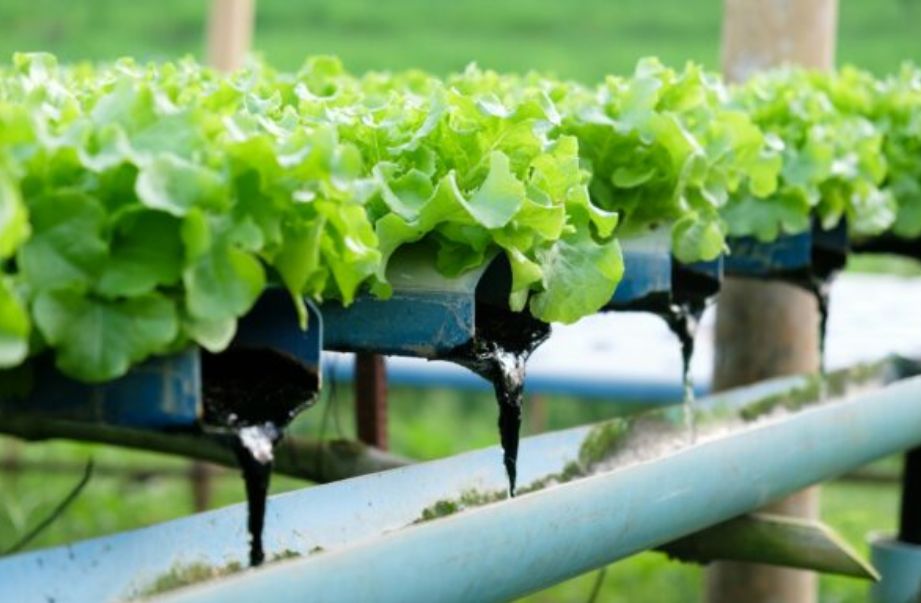
Hydroponics is a method of growing plants using a nutrient-rich water solution rather than soil. This technique allows plants to absorb essential nutrients directly from the water, promoting faster growth and higher yields. The basic principle behind hydroponics is simple: plants need water and nutrients, which can be provided without soil. As plants perform photosynthesis, they convert carbon dioxide and water into glucose and oxygen, effectively thriving in a soil-less environment.
📊 1. Hydroponics Market Growth (Global & India)
-
The global hydroponics market was valued at USD 12.1 billion in 2022 and is projected to reach USD 25.1 billion by 2027, growing at a CAGR of 15.6%. (Source: MarketsandMarkets)
-
In India, the hydroponics sector is growing at over 13% CAGR, driven by urban farming and agri-investment models.
🟩 Graph Idea:
Title: “Global Hydroponics Market Growth Forecast (2022–2027)”
| Year | Market Value (USD Billion) |
|---|---|
| 2022 | 12.1 |
| 2023 | 14.0 |
| 2024 | 16.3 |
| 2025 | 19.0 |
| 2026 | 22.0 |
| 2027 | 25.1 |
💰 2. Profitability Comparison – Hydroponic vs. Traditional Farming
| Parameter | Traditional Farming | Hydroponic Farming |
|---|---|---|
| Yield per sq. ft | 1x | 3–4x higher |
| Water usage | 100% | 80–90% less |
| Crop cycle time | 90 days | 45–60 days |
| Average ROI/year | 10–15% | 25–35% |
🟦 Insight: Hydroponics offers faster returns and significantly better yield efficiency — ideal for farming investment portfolios.
🌿 3. Top Crops for Hydroponic Farming Investment
| Crop | ROI Potential | Harvest Time |
|---|---|---|
| Lettuce | 25–30% | 45 days |
| Basil | 35%+ | 30–40 days |
| Strawberries | 28–32% | 60–75 days |
| Spinach | 25% | 40 days |
The Benefits of Hydroponics
No Soil Required Hydroponics eliminates the need for soil, offering significant advantages. By removing soil from the equation, this method provides greater flexibility for growing locations, including urban areas where soil may be scarce or unsuitable. Hydroponic systems can be set up in basements, rooftops, and other unused urban spaces, optimizing space and resources effectively.
Conserves Water Hydroponic systems excel in water efficiency. Unlike traditional farming methods, which often lose water through evaporation and runoff, hydroponics recycles and reuses water. This efficient use of water not only conserves this crucial resource but also reduces operational costs, making hydroponics a more sustainable farming option.
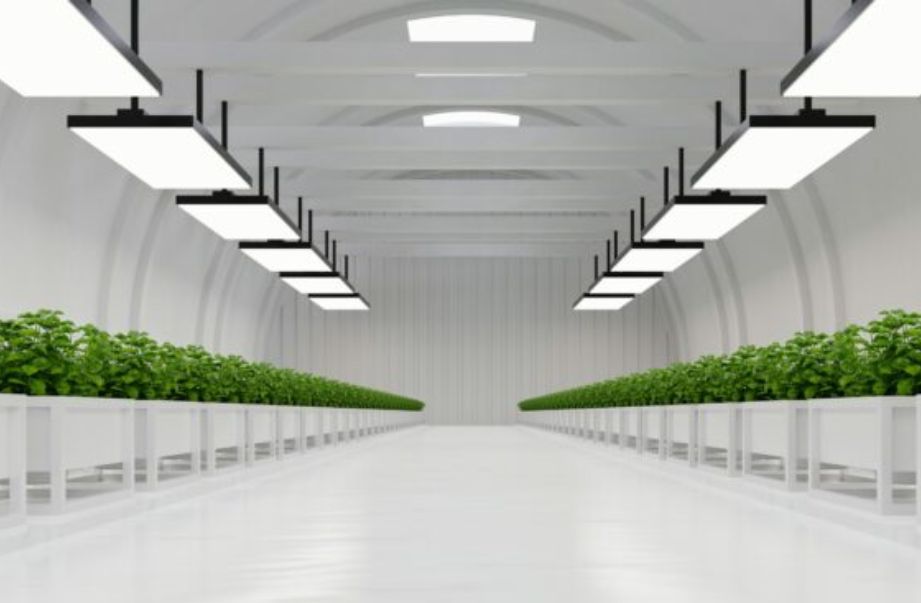
Facilitates a Micro-Climate With hydroponics, growers can precisely control the growing environment. By creating a controlled micro-climate, they can optimize conditions such as temperature, humidity, and light. This control leads to more consistent and predictable crop yields, regardless of external weather conditions.
Predictability and Seasonality Hydroponics allows for year-round crop production. By controlling environmental factors, growers are not dependent on seasonal changes. This predictability enables consistent production and supply, which is crucial for meeting market demands and ensuring food security.
Faster Crop Growth Plants grown hydroponically typically experience faster growth than those in soil. The direct availability of nutrients and optimized growing conditions contribute to quicker growth. Faster crop growth results in quicker harvests and increased turnover rates, benefiting growers financially.
Maximizes Space Hydroponic systems are designed to make the most of available space. Techniques such as vertical farming and compact systems enable more plants to be grown in a smaller area. This space efficiency is particularly beneficial in urban settings where land is limited.
Higher Yields Hydroponics often yields more produce compared to traditional farming methods. The controlled environment and direct nutrient delivery result in healthier plants and more productive harvests. Higher yields translate to increased profitability for growers.
Requires Less Labor Hydroponic systems can be automated, reducing the need for manual labor. Automated systems for nutrient delivery, watering, and monitoring streamline operations and decrease maintenance efforts. This efficiency lowers labor costs and boosts overall productivity.
Hydroponics and Sustainable Agriculture
Hydroponics aligns well with sustainable agriculture practices. Utilizing unused urban spaces and reducing carbon footprints from long-distance transportation, hydroponics supports environmental sustainability. Growing produce locally cuts down on greenhouse gas emissions and energy use.
Additionally, hydroponics fosters biodiversity by enabling the cultivation of various plants in controlled environments. This method can be integrated into existing urban landscapes, promoting green spaces and contributing to overall ecological health.
The Economic Potential of Hydroponics Farming Investment
Hydroponic farming is not just environmentally beneficial but also economically viable. The initial investment in hydroponic systems can be substantial; however, the long-term benefits often outweigh the costs. The efficient use of resources, reduced labor requirements, and increased yields contribute to a favorable return on investment.
Furthermore, as demand for fresh, pesticide-free produce continues to rise, hydroponic farming offers a competitive edge. By providing high-quality, locally-grown produce, hydroponic businesses can attract a growing consumer base and establish a strong market presence.
Why Invest in Hydroponics?
Hydroponics presents an attractive investment opportunity for several reasons. The method’s ability to conserve water, reduce waste, and maximize space makes it a forward-thinking choice for modern agriculture. With the increasing focus on sustainability and resource efficiency, hydroponics aligns with current trends and future demands in farming.
Hydroponic consultants play a crucial role in guiding businesses through the implementation and optimization of hydroponic systems. Their expertise can help maximize the benefits of hydroponics, ensuring that investments are well-placed and operations run smoothly.
What is Hydroponics Farming Investment, and Why Should You Consider It?
At its core, hydroponics is soilless farming, using nutrient-rich water to grow plants—allowing higher yield per square foot, faster growth cycles, and year-round production. When you make a farming investment in hydroponics, you’re capitalizing on efficient resource use (less water, no soil), and you’re able to plant crops even in urban or resource-limited areas. If you’re looking for an agriculture investment option with high returns and lower overheads, hydroponics can be a powerful choice.
How Does Hydroponic Farming Work, and What Makes It Profitable?
You use setups like nutrient film technique (NFT), deep water culture (DWC), or vertical towers where plant roots are directly exposed to water infused with nutrients under controlled light and temperature. How does this translate into profits for a farming investment? Faster harvests, healthier plants, fewer pests, and reduced labor costs all contribute. Also, because you can grow close to consumer markets, logistic costs drop, and freshness improves, adding to your margins.
What Are the Financial Prospects & Risks in Hydroponics Farming Investment?
With proper planning, a good setup, quality inputs, and market access, annual ROI for hydroponic farming investment can often be significantly higher than traditional field farming. How do you mitigate the risks? By choosing the right crops (leafy greens, herbs, berries), managing electricity and energy costs carefully, and ensuring stable access to buyers. Selecting the right location, backing up your power supply, and using reliable cultivation systems are crucial for profitability.

Looking for Investment in Hydroponics Farming, then Connect with us!
In conclusion, hydroponics represents a revolutionary approach to agriculture that offers numerous benefits, including efficient resource use, faster crop growth, and higher yields. As a sustainable and profitable farming method, hydroponics is poised to play a significant role in the future of food production. Whether you are a grower looking to innovate or an investor seeking a promising opportunity, hydroponics offers a compelling solution for modern agriculture.
Embrace the future of farming with hydroponics and discover how this innovative method can transform your agricultural practices. For expert guidance and support, consider reaching out to hydroponic consultants who can help you navigate the exciting possibilities of soil-free cultivation.
Contact at +91 83694 87953