

How Can You Unlock Profitability in the Wholesale Fruits and Vegetables Business?
The wholesale fruits and vegetables business is an industry ripe with potential. With the increasing demand for fresh produce worldwide, it presents a lucrative opportunity for entrepreneurs willing to invest time and resources. Whether you’re an aspiring wholesaler or an established player looking to expand, understanding how to maximize profits in this industry is essential.
The Profitability of the Wholesale Fruits and Vegetables Business
First and foremost, let’s address the question: Is the wholesale fruit and vegetable business profitable? The short answer is yes, but it requires proper planning and execution. A well-run wholesale operation can yield a profit margin of up to 30% to 40%. This profitability is influenced by several factors, including location, supply chain efficiency, and market demand.
To start, the total investment needed for a wholesale fruit business is about Rs. 20,000 to 40,000, which includes all types of expenses such as logistics, warehousing, and marketing. With the right strategy, this investment can yield significant returns, allowing you to reinvest in advertising, shop expansion, and more. The key to success lies in sourcing high-quality produce at competitive prices and delivering it efficiently to your target market.
Exporting Fresh Onions to Dubai and Beyond
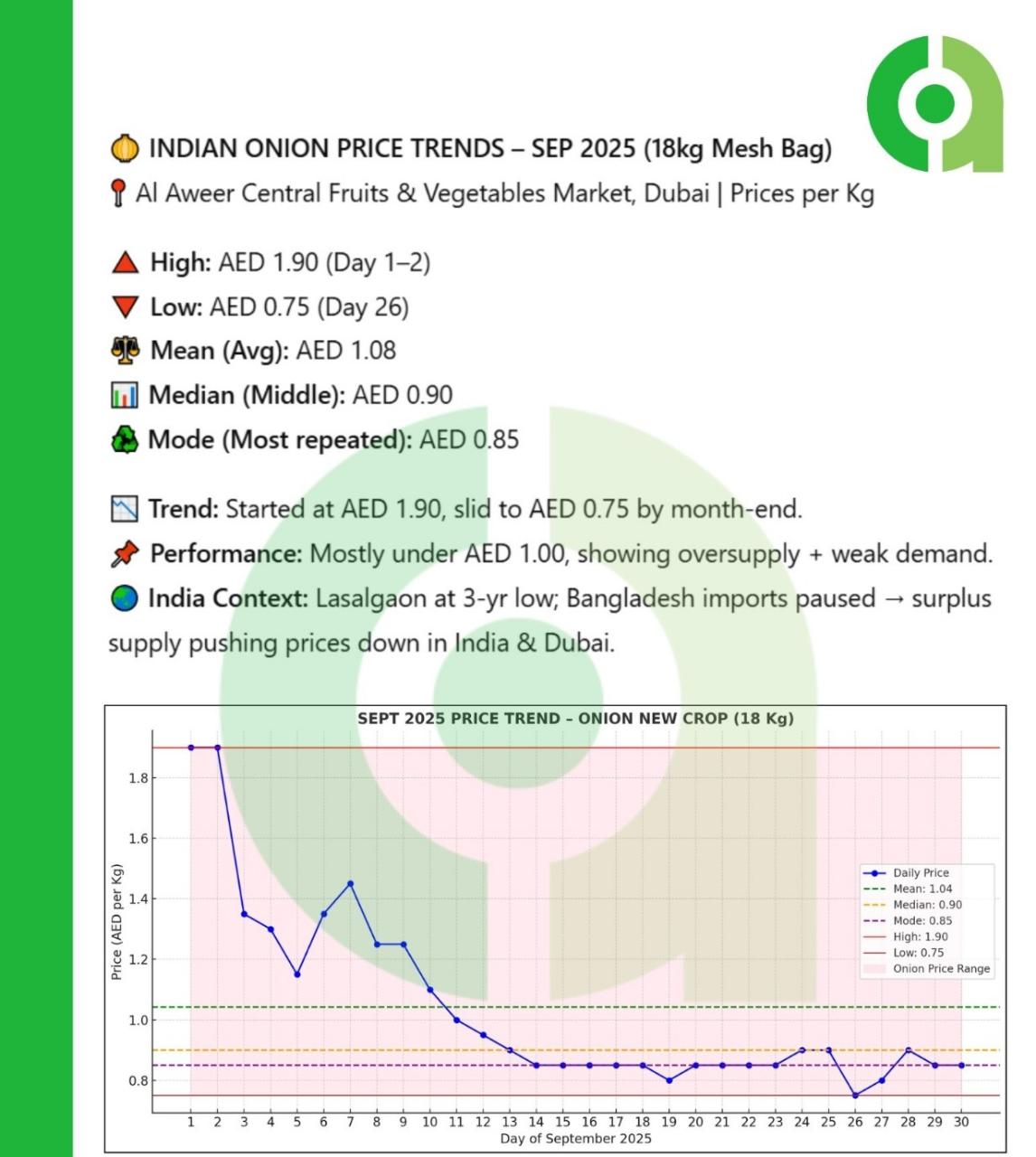
India’s onion supply plays a vital role in meeting global demand, especially in markets like Dubai. Through efficient farming practices, quality grading, and reliable logistics, we ensure fresh, premium-grade onions reach international buyers on time. Our export operations focus on consistency, freshness, and long-term trade relationships that strengthen India’s position in the global agri-market.
How the Food Supply Chain Works?
The food supply chain is the journey that fresh produce takes from the farm to the consumer’s table, and it involves multiple stages to ensure quality, safety, and timely delivery:
-
Harvesting:
Farmers carefully pick fruits and vegetables at the peak of ripeness to maximize freshness and shelf life. -
Post-Harvest Handling:
This stage includes sorting, cleaning, and grading produce according to size, quality, and ripeness. Proper handling reduces spoilage and maintains nutritional value. -
Packaging:
Produce is packed in materials that protect it during transit and often include labeling for traceability. Packaging may also involve temperature control for sensitive items. -
Cold Storage & Refrigeration:
Perishable items are stored in cold rooms or refrigerated containers to prevent spoilage and extend shelf life, especially for leafy greens, berries, and tropical fruits. -
Transportation & Logistics:
Distribution from farms to wholesalers, retailers, or food processors is carefully managed. Refrigerated trucks and optimized routes ensure that produce arrives fresh. -
Distribution & Wholesaling:
Distributors and wholesalers act as intermediaries, connecting farmers to markets, supermarkets, and restaurants. They manage inventory, quality checks, and sometimes repackaging. -
Retail & Consumer Delivery:
Finally, fruits and vegetables reach supermarkets, grocery stores, farmers’ markets, or directly to consumers via delivery services. Retailers maintain proper storage conditions and rotate stock to ensure freshness. -
Traceability & Safety:
Modern supply chains incorporate tracking systems to monitor produce from farm to table, ensuring food safety and compliance with regulations.
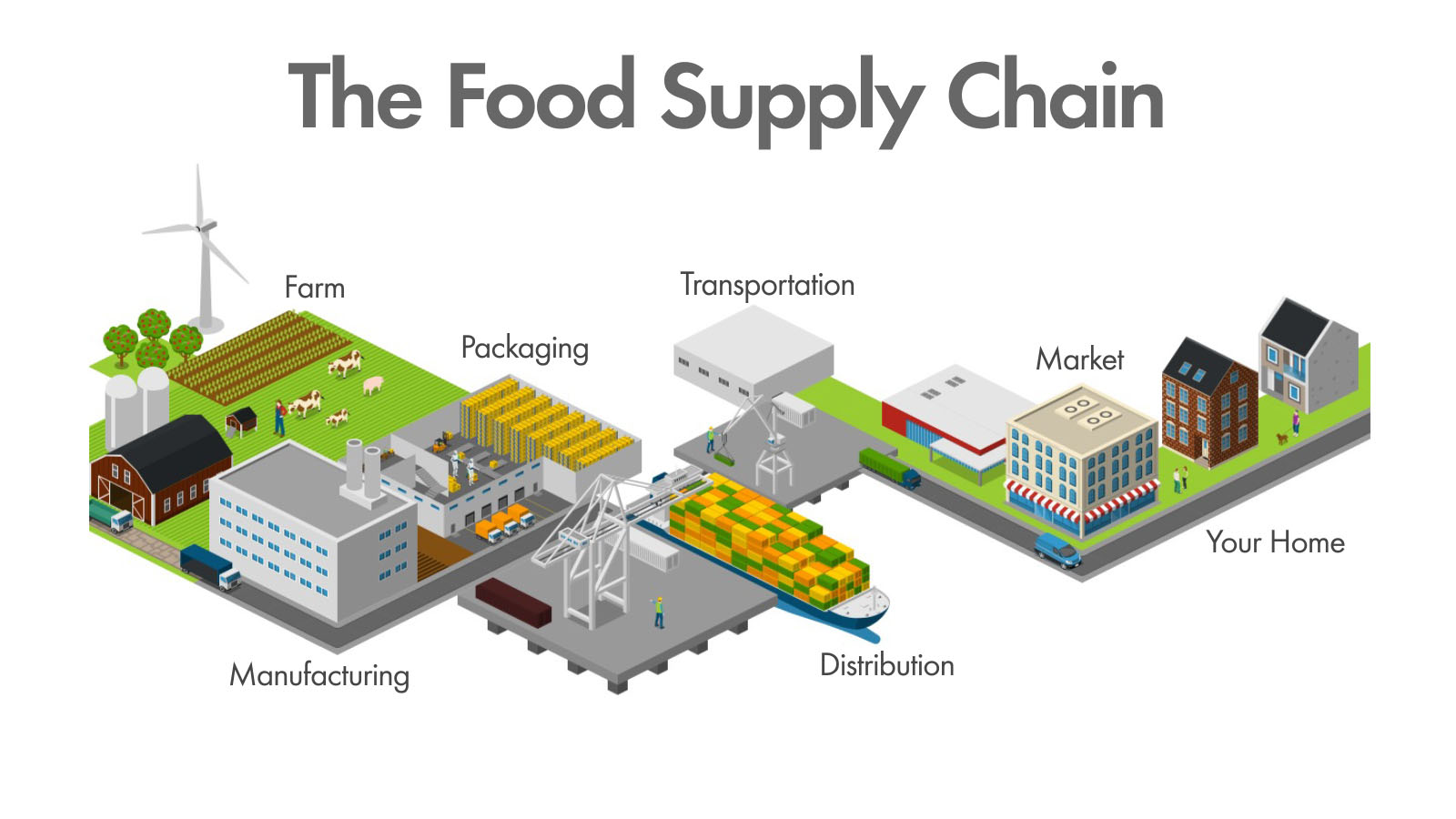
Key Insights:
-
Efficient supply chain management reduces food wastage and improves profitability for farmers and distributors.
-
Technology, such as IoT sensors, GPS tracking, and cold chain management, plays a critical role in maintaining quality.
-
Consumers increasingly value locally sourced and fresh produce, which shortens supply chains and improves sustainability.
How to Make Money Selling Fruits and Vegetables?
1. Create Your Own Market
Creating your own market is one of the most effective ways to establish a foothold in the wholesale fruit and vegetable industry. This involves identifying and targeting niche markets that are underserved by existing suppliers. Whether it’s organic produce, exotic fruits, or locally-grown vegetables, offering unique products can set you apart from competitors.
Furthermore, consider building relationships with local farmers and growers to source fresh produce directly. This direct connection can help you negotiate better prices, ensuring your business remains profitable while supporting local agriculture.
2. Work With Local Restaurants
Next, collaborating with local restaurants can provide a steady revenue stream for your wholesale business. Many restaurants prefer sourcing fresh fruits and vegetables from local suppliers to ensure quality and reduce transportation costs. By establishing partnerships with these establishments, you can secure long-term contracts that guarantee regular orders.
To achieve this, focus on understanding the specific needs of each restaurant, such as seasonal requirements or specialty items. Tailoring your offerings to meet these demands can foster strong relationships and lead to consistent business growth.
3. Sell at Farmers Markets
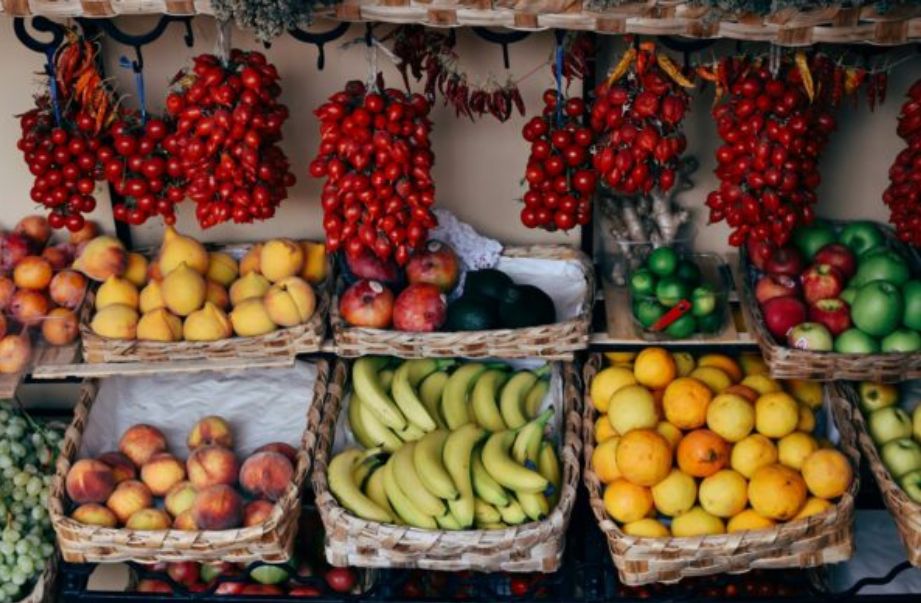
Another lucrative avenue is selling at farmers’ markets. These markets are popular destinations for consumers seeking fresh, locally-sourced produce. Setting up a stall at a farmers’ market not only provides direct access to customers but also allows you to engage with them, gather feedback, and build brand loyalty.
Additionally, farmers’ markets offer an opportunity to test new products, gauge consumer interest, and adjust your offerings accordingly. By continuously adapting to market trends, you can stay ahead of the competition and maintain a profitable operation.
4. Reach Out to Small Stores
In addition to larger grocery chains, consider reaching out to small stores and independent retailers. These businesses often lack the resources to source produce directly from farms, making them ideal partners for wholesale suppliers. By offering competitive pricing and reliable delivery, you can become their go-to supplier for fresh fruits and vegetables.
Moreover, small stores are more likely to support local suppliers, as this aligns with consumer preferences for sustainable and community-focused practices. Building a network of small retail partners can enhance your market reach and drive consistent sales.
5. Certifications and Pricing
Certifications play a crucial role in establishing credibility and trust in the wholesale industry. Obtaining certifications for organic produce, food safety, and quality assurance can give you a competitive edge. These certifications not only validate your commitment to quality but also enable you to charge premium prices for your products.
Simultaneously, pricing is a critical factor in attracting and retaining customers. Conduct thorough market research to determine competitive pricing strategies that balance affordability with profitability. Offering promotions and discounts can also incentivize bulk purchases, increasing your overall sales volume.
6. Consumers: Support Local Growers
Lastly, emphasizing your support for local growers can resonate with consumers who prioritize sustainability and ethical sourcing. Highlighting your commitment to local agriculture in your marketing efforts can attract environmentally-conscious customers and enhance your brand image.
Moreover, supporting local growers ensures a consistent supply of fresh produce, reducing reliance on imports and minimizing transportation costs. This approach not only benefits your bottom line but also contributes positively to the community and the environment.
What Are the Most Profitable Fruits and Vegetables for Farming Investment?
To maximize profits in the wholesale business, it’s essential to focus on fruits and vegetables with high demand and profitability. Here are some of the most profitable options:
Most Profitable Fruits
- Mango: Grown in tropical and subtropical regions, mangoes are highly sought after for their sweet taste and nutritional benefits. They thrive in warm climates and can yield substantial profits due to their popularity.
- Pomegranate: Suitable for warm and dry climates, pomegranates are rich in antioxidants and have gained popularity for their health benefits. Their unique flavor and versatility make them a profitable choice for wholesalers.
- Banana: Known for their year-round availability, bananas thrive in well-drained soil and tropical climates. Their widespread consumption makes them a staple in the wholesale market, offering consistent demand and profitability.
- Guava: Grown in tropical and subtropical regions, guavas are known for their nutritional value and versatility. They are favored by consumers seeking exotic fruits, providing a profitable niche for wholesalers.
Best Vegetables to Sell
- Pumpkin: Pumpkins are versatile vegetables used in various culinary applications. Their popularity during the fall season makes them a profitable choice for wholesalers targeting seasonal markets.
- Sweet Corn: Sweet corn is a staple in many households and is used in a variety of dishes. Its widespread appeal and nutritional benefits make it a lucrative option for wholesalers.
- Microgreens: Microgreens are young, edible plants packed with nutrients and flavor. Their popularity among health-conscious consumers has led to increased demand, offering a profitable niche for wholesalers.
- Onions: Onions are a kitchen staple used in countless recipes worldwide. Their consistent demand and long shelf life make them a reliable choice for wholesalers looking to maximize profits.
- Basil: Basil is a popular herb used in various cuisines, particularly Italian and Mediterranean dishes. Its aromatic flavor and culinary versatility make it a sought-after product in the wholesale market.
- Broccoli: Broccoli is known for its nutritional benefits and is a favorite among health-conscious consumers. Its demand for salads, stir-fries, and side dishes makes it a profitable vegetable to sell.
- Cucumber: Cucumbers are rich in natural nutrients and are widely used in salads and beverages. Their refreshing taste and health benefits make them a popular choice at farmers’ markets and retail stores.
- Lettuce: Lettuce is a staple in salads and sandwiches, making it a high-demand vegetable. Its versatility and ease of cultivation make it an ideal option for wholesalers looking to cater to diverse customer preferences.
Fruits with Maximum Sales
While focusing on profitability is crucial, it’s equally important to consider fruits with maximum sales potential. Based on production quantities, the most popular fresh fruits worldwide are:
- Bananas: Bananas are the most consumed fruit globally, offering consistent demand and profitability.
- Apples: Apples are favored for their crisp texture and sweet flavor, making them a staple in households worldwide.
- Grapes: Grapes are enjoyed fresh or used in various products like wine and raisins, providing multiple revenue streams for wholesalers.
Frequently Asked Questions About the Journey of Fresh Produce
What steps are involved in getting fresh fruits and vegetables from the farm to the consumer?
The journey begins with harvesting at the farm, followed by post-harvest handling, packaging, transportation, distribution, and retail. Each stage ensures the produce maintains its quality and reaches consumers promptly.
How do farmers ensure the freshness of produce during transportation?
Farmers and distributors utilize refrigerated trucks and cold storage facilities to maintain optimal temperatures, preventing spoilage and extending shelf life. This is crucial for perishable items like leafy greens and berries.
What role do food distributors play in the supply chain?
Food distributors act as intermediaries, connecting farmers with retailers and restaurants. They manage logistics, ensure timely delivery, and sometimes handle packaging, making the supply chain more efficient.
How do local farmers contribute to the farm-to-table movement?
Local farmers often sell directly to consumers through farmers’ markets, community-supported agriculture (CSA) programs, and pick-your-own initiatives. This direct approach reduces transportation time, ensuring fresher produce and supporting local economies.
What challenges exist in the fresh produce supply chain?
Key challenges include temperature control, inventory management, transportation logistics, and food safety regulations. Addressing these issues is vital to reduce food waste and ensure the delivery of high-quality produce.
How can consumers support the farm-to-table movement?
Consumers can support this movement by purchasing from local farmers’ markets, joining CSA programs, and choosing restaurants that prioritize locally sourced ingredients. This not only ensures fresher produce but also promotes sustainable agricultural practices.

Looking to invest in Fruits and Vegetables Farming Investment?
In conclusion, the wholesale fruits and vegetables business is a lucrative venture for those willing to invest in strategic planning and execution. By focusing on bulk purchases, direct sourcing, and niche markets, you can maximize profits and establish a strong presence in the industry. Whether you’re catering to local retailers or exploring international markets, the opportunities for growth and success are abundant. Embrace the potential of this thriving industry and position your business for long-term profitability.
Contact at +91 83694 87953